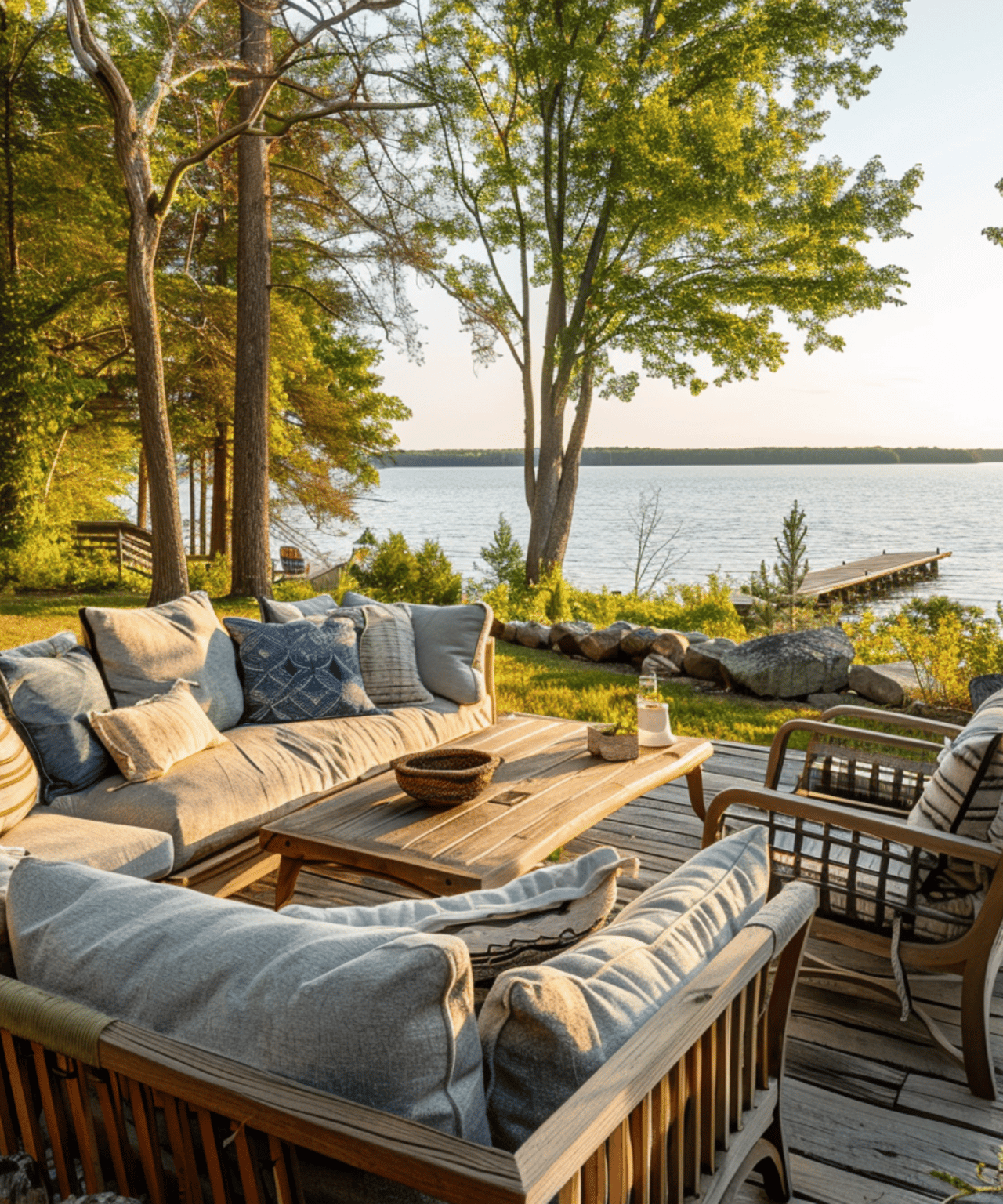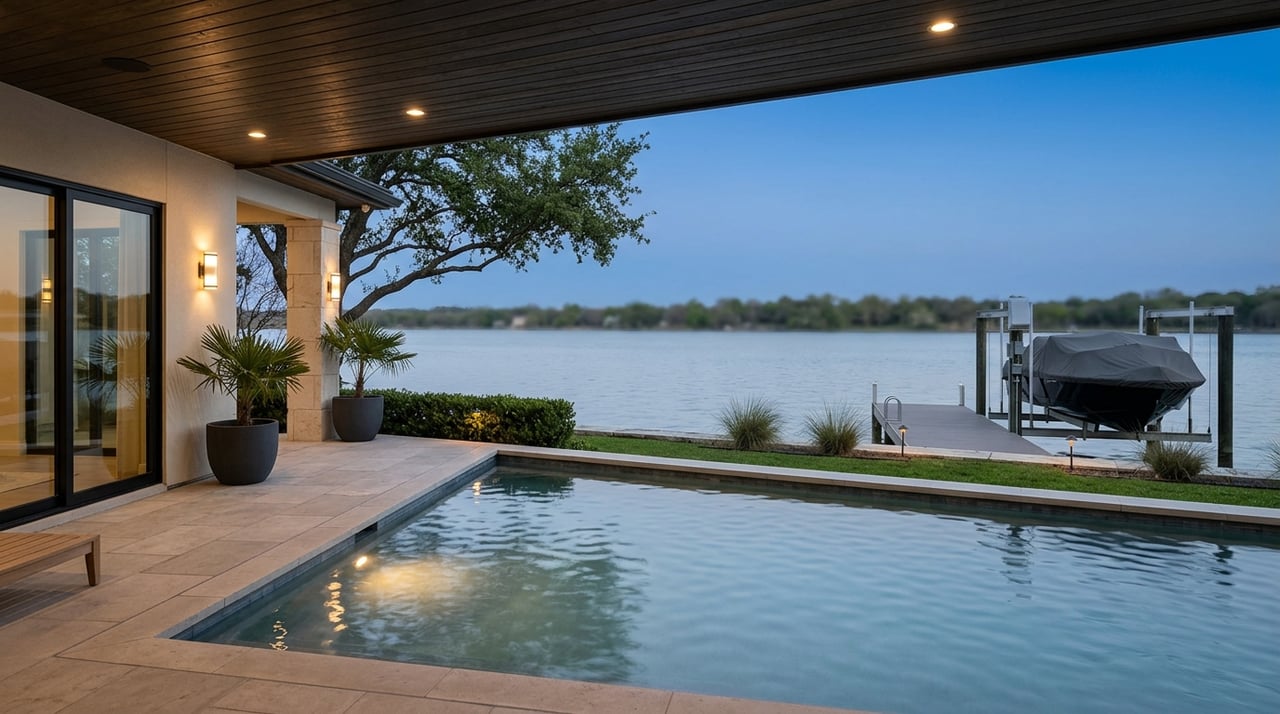
If you picture lakefront living as a quiet view with little upkeep, Lake LBJ may surprise you. Life on this lake is active, hands-on, and shaped as much by docks, water access, and weather as by the house itself. If you are thinking about buying here, it helps to know what daily life really feels like beyond the photos and sunset shots. Let’s dive in.
Lake LBJ feels like a working waterfront
Lake LBJ is a roughly 6,500-acre reservoir in Burnet and Llano counties with about 154 miles of shoreline. Residential and commercial properties border most of that shoreline, which gives the lake a developed, lived-in feel rather than a remote or untouched one.
That matters because your experience here is closely tied to how you use the water. On Lake LBJ, lakefront living often means thinking about your dock, your shoreline setup, your boat access, and how the property functions day to day, not just how the home looks from the street.
Water levels are steadier, not risk-free
One of the biggest draws of Lake LBJ is that it is generally much more stable than many Texas reservoirs. Texas Parks and Wildlife describes it as a constant-level lake, while the Lower Colorado River Authority notes that it typically operates within about a one-foot range.
That said, steadier does not mean immune to change. Lake LBJ is a pass-through lake with no flood storage capacity, so it can rise well above normal levels during flood events. If you own here, part of lake life is planning for that possibility instead of assuming the shoreline will always behave the same way.
Boating is part of everyday life
If you want a boating-centered lifestyle, Lake LBJ delivers. The lake has public boat ramps, marina infrastructure, and a regional identity that revolves around getting out on the water for boating, wake sports, cruises, and swimming.
This is one reason many buyers are drawn to the area. In practical terms, the lake feels usable through much of the year, and many owners build their routines around boat days, dock time, and hosting friends and family by the water.
Access matters as much as views
A pretty shoreline is not the same as a functional one. When you look at lakefront property on LBJ, you are also evaluating whether the lot supports the kind of access you actually want, whether that means a private dock, a protected shoreline, or nearby marina or ramp access.
For many buyers, this becomes one of the most important parts of the decision. A home with a great view but limited water usability may fit your goals less well than a home with better dock function, cove conditions, or shoreline improvements.
Docks are part of the ownership experience
On Lake LBJ, the dock is not just an accessory. It is part of how you live at the property, and it often needs regular attention. LCRA regulates residential docks and marinas, requires safety standards, and limits dock extension to 50 feet from shore on Lake LBJ.
Owners also need to think about wear from wind, waves, current, boat wakes, and changing lake conditions. In other words, your waterfront setup is something you maintain and monitor, not something you install once and forget.
Not every lot works the same way
Because the shoreline is so developed, lakefront homes can differ a lot in how they interact with the water. Some homes have private docks and bulkheaded shorelines, while others rely more on shared access patterns, nearby marinas, or public ramps.
The practical questions matter. How deep is the water near the dock area? How wide is the cove? How does the shoreline behave during heavier rain or flood conditions? These are the kinds of details that shape daily use.
The seasons shape lake life
Many buyers assume lake living is mostly a summer experience. On Lake LBJ, summer is definitely peak season, but the lifestyle is broader than that. Central Texas brings long, hot summers, with normal highs reaching 90 degrees by late May and staying above 90 into late September.
That makes summer ideal for swimming, boating, and entertaining outdoors. It also means your home, dock, and boat setup may get a lot of use during an extended warm-weather season, not just during a few holiday weekends.
Winter is quieter, not closed
Winters in the region are generally mild, with January highs in the low 60s and lows in the low 40s. So while the pace changes, the lake does not simply shut down when summer ends.
Lake LBJ can still support an active outdoor lifestyle in cooler months. Fishing patterns shift by season, and the area’s sunny climate helps make the lake feel relevant year-round for many owners, especially second-home buyers who want more than a short seasonal window.
Weather awareness is part of the deal
Lake LBJ may feel calm much of the time, but Central Texas weather can change quickly. Spring thunderstorms can bring heavy rainfall, and the Highland Lakes region sits in what LCRA describes as Flash Flood Alley.
For homeowners, that means staying more alert than you might expect. If you own a dock, keep a boat at the property, or spend a lot of time on the water, you will likely pay attention to forecasts, lake conditions, dock lines, and storm timing on a regular basis.
Shoreline rules shape what you can do
One of the most important realities of Lake LBJ ownership is that the waterfront itself is regulated. LCRA oversees dock and marina requirements, floating habitable structures are prohibited, and new community marinas are banned.
That does not make ownership difficult, but it does make details important. Before you buy, it is wise to understand how the property’s existing shoreline improvements fit current rules and how those rules may affect your plans for updates or changes.
Waterfront value is about function
On this lake, value is often tied to usability as much as architecture. A beautiful home is still important, but buyers also tend to weigh shoreline protection, dock layout, access quality, and the overall ease of enjoying the water.
That is one reason broker guidance matters on Lake LBJ. A waterfront home can look similar to another on paper while offering a very different ownership experience once you factor in the shoreline setup and maintenance needs.
Water quality requires attention
Living on the lake also means paying attention to what is happening in the water. Zebra mussels are established in Lake LBJ, and boaters are legally required to drain water from boats after use. Clean, drain, and dry habits are part of responsible ownership here.
LCRA also notes that algae can occur year-round in the Highland Lakes and tends to thrive in hot summer months. Because algae toxins can affect people and pets even when the water looks normal, owners need to stay aware of current conditions before swimming or allowing pets into the water.
The lakefront is a managed system
This is one of the clearest differences between fantasy and reality. Your lakefront is not just a scenic backdrop. It is a shoreline system that may require dock upkeep, invasive-species precautions, and attention to aquatic vegetation or treatment rules.
For many owners, that tradeoff is absolutely worth it. But it is best to go in with realistic expectations about the level of involvement lakefront ownership can require.
Who Lake LBJ fits best
Lake LBJ is a strong match if you want an active waterfront lifestyle with frequent boating, swimming, and dock use. It also makes sense if you value a lake that feels reliably usable through much of the year and you are comfortable with the responsibilities that come with developed shoreline ownership.
It may be less ideal if you are hoping for a low-maintenance waterfront setting with very little regulation or upkeep. The lake is highly enjoyable, but it is not passive. It rewards buyers who want to use the water often and are prepared to care for the property accordingly.
Why local guidance matters
When you buy on Lake LBJ, you are not just choosing a home. You are choosing a shoreline condition, a dock situation, a maintenance profile, and a lifestyle pattern. Those details can have a big impact on how satisfied you feel after closing.
That is where local, practical advice becomes valuable. A broker who understands waterfront property, construction considerations, and the day-to-day realities of lake ownership can help you look past the marketing and focus on how the property will actually live.
If you are weighing whether Lake LBJ fits your lifestyle, ownership goals, or investment plans, Kale Stephens can help you evaluate the details that matter most.
FAQs
What is daily lakefront living on Lake LBJ like?
- Daily life on Lake LBJ tends to be active and water-centered, with boating, swimming, dock use, and shoreline upkeep playing a bigger role than many buyers expect.
Are Lake LBJ water levels always constant?
- Lake LBJ is generally steadier than many Texas lakes, but flood events can still cause water levels to rise well above normal.
What should buyers check about a Lake LBJ dock?
- Buyers should look closely at dock condition, shoreline setup, water access, and how the property may handle wind, wakes, current, and flood-driven changes.
Is Lake LBJ only a summer lake?
- No, summer is peak season, but the area’s mild winters and sunny climate make the lake usable and relevant through much of the year.
What water-quality issues affect Lake LBJ owners?
- Owners should stay aware of zebra mussels, legal boat-draining requirements, algae conditions, and any aquatic vegetation management needs that affect shoreline use.
Who is a good fit for Lake LBJ waterfront property?
- Lake LBJ is a good fit for buyers who want an active boating and swimming lifestyle and are comfortable with the maintenance and rules that come with developed waterfront ownership.