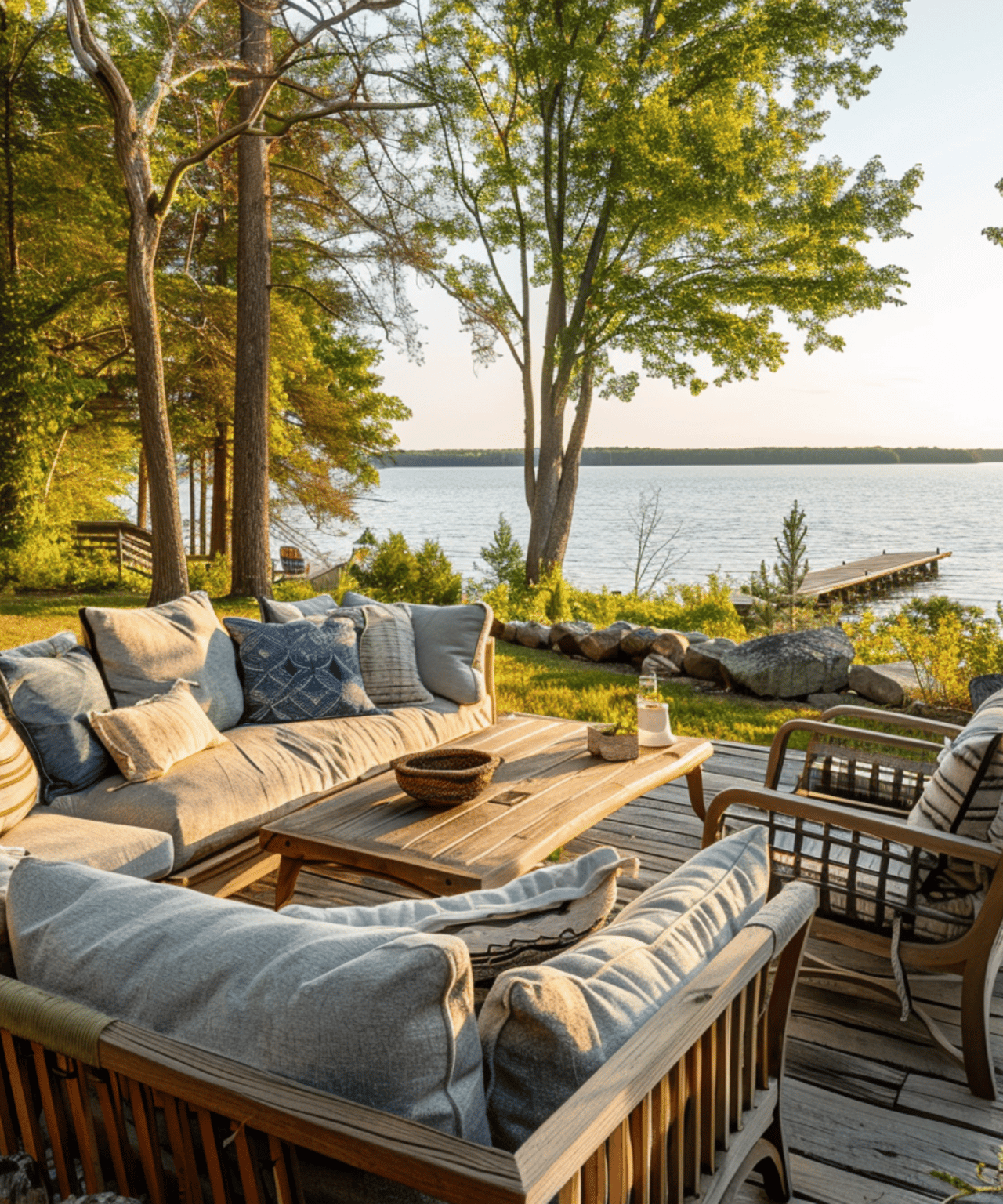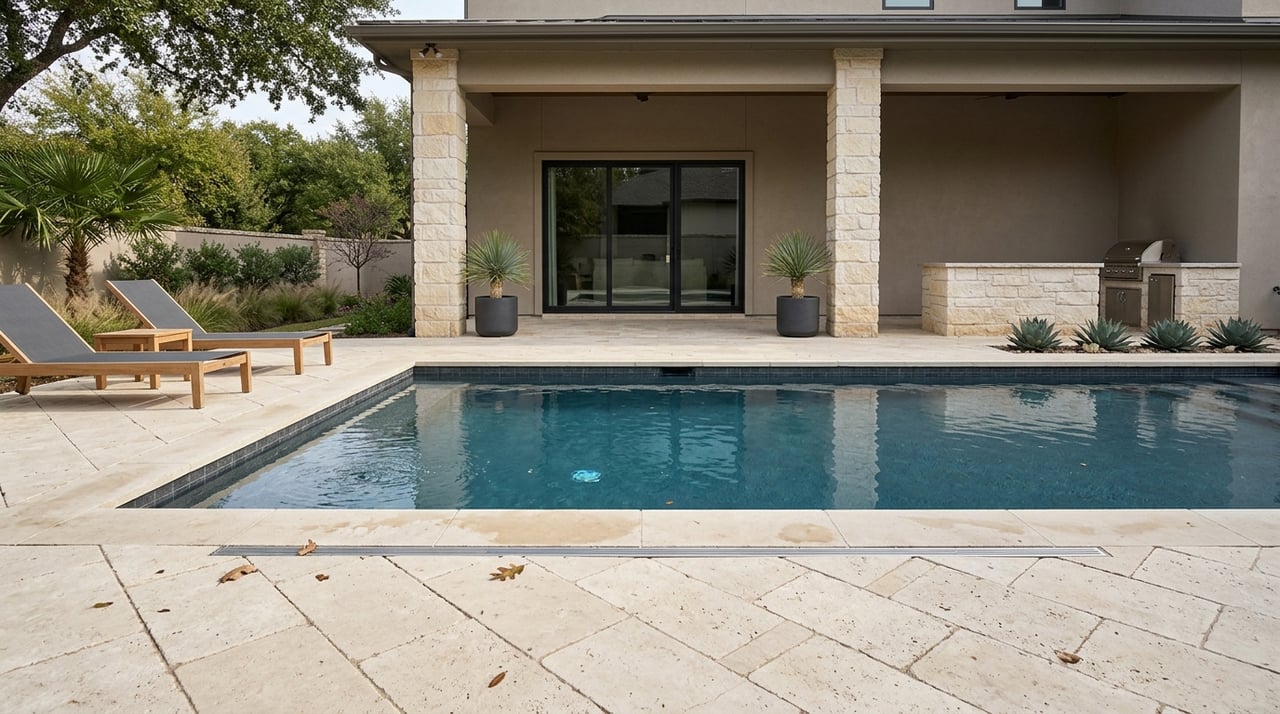
If you want a home in Granite Shoals, one question shapes almost everything: do you pay for direct waterfront, or choose an off-water property and use the city’s public lake access? It is an important decision because both options can support the Lake LBJ lifestyle, but they come with very different costs, responsibilities, and day-to-day experiences. By the end of this guide, you will have a clearer way to weigh price, maintenance, access, and long-term fit. Let’s dive in.
Why This Choice Matters in Granite Shoals
Granite Shoals is closely tied to Lake LBJ, but not every home sits on the shoreline. The city describes itself as a residential, resort, and retirement community on the east shore of the lake, and it maintains 19 city parks, including 15 along the shore, plus 8 boat launch ramps. That setup gives many off-water owners meaningful access to the lake without owning private frontage.
This is what makes Granite Shoals a little different from some other lake markets. In many places, you may need waterfront property to feel truly connected to the water. Here, the public park and launch system can make an off-water home feel very lake-oriented.
Waterfront Costs More, But the Premium Varies
If your goal is direct frontage on Lake LBJ, you should expect a higher price in most cases. Current waterfront inventory in Granite Shoals spans a wide range, from condos priced roughly between $198,000 and $384,999 to waterfront houses listed from about $440,000 up to $6.5 million. Waterfront lots also appear in the mix, with examples ranging from about $195,000 to $995,000.
By comparison, broader Granite Shoals listings include homes at lower price points, such as examples around $275,000 and $290,000, along with mid-range options around $549,000. The practical takeaway is simple: if you want the lowest entry price, you will usually find it off-water. If you want private lake frontage, you are stepping into a more capital-intensive segment.
Not All Waterfront Is the Same
One of the biggest mistakes buyers make is treating waterfront like a single category. In Granite Shoals, waterfront can mean a condo, a vacant lot, or a detached house, and each carries a different value equation. Price differences can reflect frontage, views, lot size, dock access, and the type of property itself.
That is why comparing one waterfront listing to another can be misleading without context. A smaller waterfront condo may cost far less than a larger off-water house, while a premium lake house with dock access and broad views can sit in a completely different tier. If you are evaluating value, the details matter.
Off-Water Homes Offer a Lower Barrier to Entry
For many buyers, off-water ownership is appealing because it can provide more flexibility on budget. You may be able to buy more interior space, a newer home, or a more manageable price point without giving up the Granite Shoals lake lifestyle. That can be especially important if you are balancing a second-home purchase, renovation budget, or long-term investment goals.
Off-water can also work well if you care more about getting on the lake than waking up directly beside it. Because residents and property owners can obtain a free annual boat-launch sticker for the city park ramps, many owners can still boat regularly without paying the waterfront premium. In practical terms, you may trade private shoreline for lower upfront cost and easier ownership.
Waterfront Offers Convenience and Lifestyle Appeal
The strongest case for waterfront is not just price appreciation or prestige. It is convenience. If you want to step outside, enjoy the view, walk to your dock, and keep the lake as part of your daily routine, waterfront offers a very different experience than loading up and heading to a public ramp.
For some buyers, that convenience is worth the premium. The city also notes that many lakefront homes are used as second homes or vacation and weekend homes, which highlights how lifestyle-driven this segment can be. If your vision of ownership centers on private access, views, and a strong resort feel, waterfront may align better with your goals.
Waterfront Ownership Means More Ongoing Responsibility
A shoreline property is not just a house with a better view. It is also a property with more moving parts. Lake LBJ is often thought of as stable, but the Texas Water Development Board reports an operating level around 825.4 feet above mean sea level, and the Lower Colorado River Authority notes that the lake can fluctuate, especially during floods.
The LCRA also says the smaller Highland Lakes are not constant-level lakes, and pass-through lakes may occasionally be lowered to help address aquatic vegetation and allow repairs to docks, retaining walls, and similar structures. For you as a buyer, that means the shoreline is an active asset that may need planning, upkeep, and periodic repair. Waterfront ownership can be rewarding, but it is rarely set-and-forget.
Permits and Rules Matter on the Shoreline
Shoreline work around Lake LBJ is regulated. LCRA rules address issues such as abandoned docks, property on LCRA land or water, dredging and filling permits, wastewater discharge restrictions, and speed or no-wake rules near the shoreline. If you own waterfront, your responsibilities may extend beyond the house itself.
That does not mean waterfront is a bad choice. It means you should buy with clear eyes. A broker with practical construction and remodeling knowledge can help you think through dock condition, retaining walls, shoreline stabilization, and the likely scope of future work before you commit.
Floodplain Due Diligence Is More Important Near the Water
Flood exposure is another major difference between waterfront and many off-water properties. Burnet County states that development in a designated floodplain requires a permit and recommends consulting the floodplain office before construction. The county also notes that standard homeowner’s insurance does not cover flood damage and that National Flood Insurance Program coverage can have a 30-day waiting period.
For buyers, this means near-water and waterfront parcels deserve deeper review before closing. You will want to understand the floodplain status, building limitations, and insurance implications early in the process. Even if a lot looks ideal on first glance, the site details can affect both cost and future plans.
Off-Water Does Not Mean No Due Diligence
It is easy to assume off-water ownership is simple, but that is not always true. Granite Shoals requires city permits for new construction, additions, renovations, major repairs, pools, and projects that involve digging. The city also advises buyers to check zoning and development issues before purchase.
That is especially relevant if you are buying a lot, planning a remodel, or trying to estimate the true cost of improvements. Off-water homes may avoid shoreline upkeep, but they still require careful review of permits, lot constraints, and utility or development considerations. In a market like Granite Shoals, details drive value.
Boating Access Is the Real Off-Water Advantage
The biggest reason many buyers choose off-water in Granite Shoals is simple: you can still enjoy the lake. With 15 shoreline parks and 8 boat launch ramps maintained by the city, public access is a meaningful part of the ownership experience here. That is not a minor feature. It is a core reason off-water homes remain attractive.
At the same time, public access is not the same as private dock access. You may need to drive to launch, plan around busier times, and accept a little less spontaneity. Whether that matters depends on how often you expect to boat and how central the water is to your everyday routine.
Near-Shore Boating Has Rules Too
Convenience on the water comes with local operating rules. Granite Shoals has a no-wake zone within 50 feet of the shoreline and in several coves. So even if you own waterfront, your near-shore boating experience is still shaped by safety and local regulations.
This is a good reminder that buying waterfront does not mean unlimited freedom at the edge of the lake. It means better proximity, but still within a regulated lake environment. For many buyers, that is perfectly reasonable, but it is helpful to understand in advance.
Resale Depends on Buyer Fit
Granite Shoals is a relatively small and mix-sensitive market, which means broad price data can look inconsistent. Zillow reports a typical home value of $357,012 and a median list price of $532,933, while Redfin reports a median sale price of $458,725 over the last three months and describes the market as not very competitive. Redfin also says homes sell for about 3% below list on average.
The best way to interpret that is not to chase a single citywide number. Instead, think of Granite Shoals as a segmented market. Waterfront tends to be the more specialized lifestyle play, while off-water tends to be the value-and-flexibility play.
If your future buyer is likely to care deeply about private dock access, views, and second-home appeal, waterfront may support stronger emotional demand. If your future buyer is more focused on budget, easier maintenance, and flexible use of public lake access, an off-water property may offer a broader fit. Resale often comes back to matching the property type to the right buyer pool.
How to Choose the Better Fit
If you are deciding between waterfront and off-water in Granite Shoals, start with how you actually plan to use the property. Be honest about how often you will boat, whether private access is essential, how much upkeep you are comfortable managing, and what price range keeps the purchase sustainable.
A helpful framework is to think in terms of priorities:
- Choose waterfront if you value private access, daily views, dock convenience, and a stronger second-home or resort-style feel.
- Choose off-water if you value lower entry cost, simpler ownership, and the ability to enjoy Lake LBJ through Granite Shoals’ public parks and boat ramps.
- Be cautious with either option if you plan to build or remodel without first confirming permits, site constraints, and floodplain considerations.
In a market like Granite Shoals, the right answer is rarely just about whether one option is better. It is about whether the property fits your budget, your lifestyle, and your tolerance for complexity.
When you want a clearer read on waterfront value, off-water alternatives, renovation potential, or the practical realities of owning near Lake LBJ, working with a broker who understands both the market and the property itself can make the decision much easier. If you are comparing options in Granite Shoals or anywhere in the Highland Lakes, Kale Stephens can help you evaluate the trade-offs with a local, analytical approach.
FAQs
What is the main benefit of buying off-water in Granite Shoals?
- The main benefit of an off-water home in Granite Shoals is usually a lower entry price while still keeping access to Lake LBJ through the city’s shoreline parks and boat launch ramps.
What is the main drawback of buying waterfront in Granite Shoals?
- The main drawback of a waterfront home in Granite Shoals is the added cost and complexity that can come with shoreline maintenance, permits, floodplain review, and dock or retaining wall upkeep.
How much public lake access does Granite Shoals provide?
- Granite Shoals maintains 19 city parks, including 15 on the shore, along with 8 boat launch ramps, which gives off-water owners meaningful access to Lake LBJ.
Do waterfront homes in Granite Shoals always cost the same premium?
- No. Waterfront pricing in Granite Shoals varies widely based on whether the property is a condo, lot, or detached house, as well as frontage, views, lot size, and dock access.
Do off-water buyers in Granite Shoals still need to check permits?
- Yes. Granite Shoals requires permits for many types of work, including new construction, additions, renovations, major repairs, pools, and digging projects, so due diligence still matters even off the water.
Is Lake LBJ a constant-level lake in Granite Shoals?
- No. Lake LBJ is operated within a relatively small range, but the LCRA states that the smaller Highland Lakes are not constant-level lakes and can fluctuate, especially during floods.